
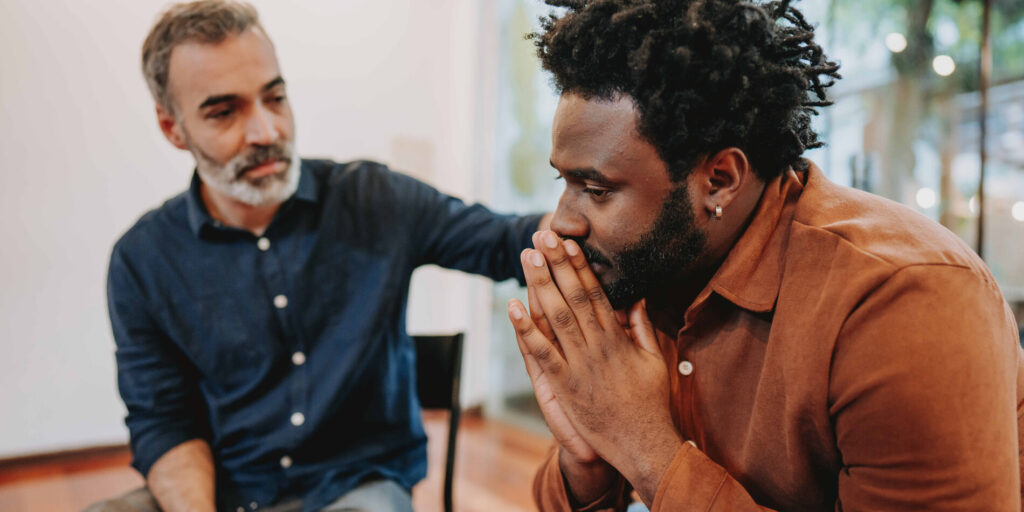
For many years, men have been taught—directly and indirectly—that they must handle life’s challenges on their own. Messages like “be strong,” “don’t cry,” or “man up” have shaped how many men view their emotions and struggles. While strength and resilience are valuable qualities, the idea that men must face everything alone has created barriers that prevent many from seeking the support they need. Today, conversations around mental health are growing, and more men are beginning to recognize that seeking help is not a sign of weakness—it is a step toward healing and personal growth. The Stigma Men Often Face. One of the biggest barriers preventing men from seeking therapy is stigma. In many cultures and communities, men are expected to appear emotionally strong, independent, and in control at all times.
Admitting feelings of sadness, anxiety, or overwhelm can sometimes feel like a failure to meet those expectations because of this stigma, many men may:
Avoid talking about their emotional struggles Try to manage stress or pain on their own Delay seeking professional help until problems become overwhelming Express emotional distress through anger, withdrawal, or substance use rather than open conversation Unfortunately, this silence can lead to increased isolation and worsening mental health challenges. The Fear of Being Vulnerable Another common barrier is fear. Opening up about personal struggles requires vulnerability, and for many men, vulnerability may feel unfamiliar or uncomfortable.
Men may worry about:
Being judged or misunderstood, appearing weak to family, friends, or colleagues Losing control of their emotions Not knowing how to express what they are feeling Therapy provides a space where those fears can be explored without judgment. A skilled therapist helps create an environment where individuals can safely express emotions and gain insight into their experiences. The Need for Safe Spaces for Men Many men have never had a space where they could openly talk about stress, relationships, expectations, or personal struggles. A safe therapeutic space allows men to explore their thoughts and emotions while learning healthy coping strategies.
In therapy, men can:
- Learn tools to manage stress and anxiety.
- Explore challenges related to work, relationships, and identity.
- Develop healthier communication skills Process grief, trauma, or past experiences.
- Build stronger emotional awareness.
- These conversations can help men reconnect with themselves and build healthier relationships with the people around them.
Changing the Narrative Around Men’s Mental Health The good news is that the conversation is changing. More men are speaking openly about mental health and encouraging others to seek support. Public figures, community leaders, and everyday individuals are helping to normalize therapy and emotional wellness. Seeking mental health support is not about weakness—it is about taking responsibility for one’s well-being and investing in personal growth. Strength can look like asking for help. It can look like learning new coping strategies. It can look like choosing to heal. Moving Toward Healing If you are a man who has been carrying stress, anxiety, or emotional pain alone, know that you are not alone. Support is available, and taking the first step toward therapy can open the door to greater understanding, balance, and well-being. At Wreh’s Wellness Center, we believe everyone deserves a space where they feel heard, respected, and supported. Our goal is to create a welcoming environment where individuals can explore their experiences and develop tools that support long-term healing and growth.